Suisun Valley Region

Latest News

The latest from The Wine Cork Weekly.

Tannins: The Natural Compounds That Shape Great Wine

Where they come from, why they matter, and how they enrich every glass Where they come from, why they matter, and how they enrich every glass

Bernard  Martinez

Bernard Martinez

Oct 30, 2026
Tannins: The Natural Compounds That Shape Great Wine

Have you ever taken a sip of red wine and noticed a dry, puckering sensation along your gums and tongue? That's tannins at work. These natural compounds help give wine its structure, texture, and sometimes its ability to age gracefully. Understanding them can make choosing a bottle—and pairing it with dinner—much easier.


Where do tannins come from?


Tannins are a family of polyphenols found in grape skins, seeds, and stems. During red-wine fermentation, the juice stays in contact with grape skins, allowing tannins and color to enter the wine. Oak barrels may contribute additional tannins during aging, while also influencing the wine's flavor and texture. White wines are usually pressed away from their skins sooner, so they often contain less tannin, though skin-contact whites are an exception.


Why does your mouth feel dry?


Tannins don't literally remove moisture from your mouth. Instead, they interact with proteins in saliva, reducing that slippery feeling and producing a sensation called astringency. You may recognize something similar after drinking strong black tea. Astringency is different from bitterness: one is mainly a drying texture, while the other is a taste.


Which wines have more tannins?


Cabernet Sauvignon, Nebbiolo, Petite Sirah, and Tannat are known for firm tannic structure. Pinot Noir and Gamay often feel softer and lighter. But the grape variety isn't the whole story. Ripeness, skin-contact time, extraction techniques, and barrel choices can all influence how tannins feel. Two Cabernet Sauvignons can taste surprisingly different.


How do tannins change with age?


In a young red wine, tannins may feel grippy or rough. As a wine matures, chemical changes can help its texture seem rounder and more integrated. Tannins are one factor in a wine's aging potential, but acidity, fruit concentration, storage conditions, and balance also matter. Not every bottle is meant to spend years in a cellar.


What should you eat with tannic wine?


Food is where tannins can become especially enjoyable. A bold Cabernet Sauvignon can complement grilled steak, while Petite Sirah often works with braised beef or smoky barbecue. Aged cheeses are another classic partner. Certain protein-rich and fatty foods can make tannic wines seem less astringent, although the effect depends on the pairing.


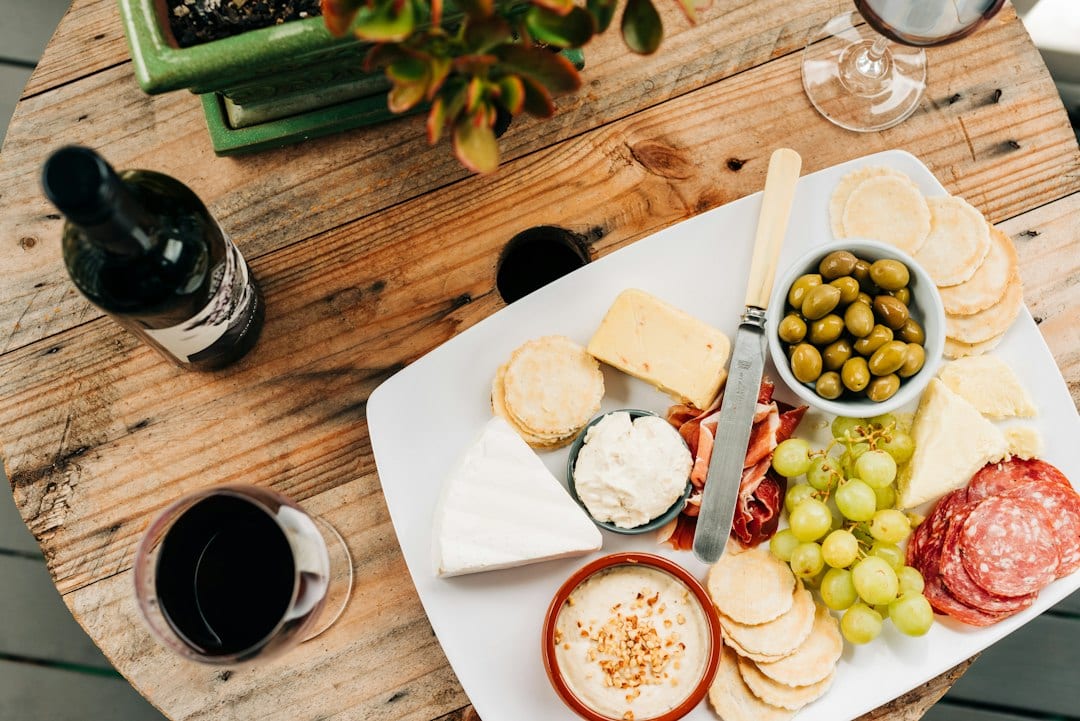
Try a simple experiment at home: taste a sip of a structured red on its own, then take another sip after a bite of cheese. Notice whether the wine feels less drying. Personal preference still matters—there's no rule saying you must pair a big red with meat.


A useful tasting-room tip


At your next tasting, ask the host to pour two contrasting reds, perhaps a lighter Pinot Noir and a firmer Cabernet Sauvignon. Taste them side by side and notice which leaves a stronger drying sensation. Descriptions such as silky, firm, and grippy can help you recognize the texture you enjoy.


A final pour


Tannins aren't a flaw to avoid. They're part of what makes wine interesting, from a velvety everyday red to a bold bottle saved for a special dinner. The next time you taste red wine, pay attention to its texture as well as its flavor.


What about you? Do you prefer bold, tannic reds or softer, smoother wines? Share your favorites with The Wine Cork Weekly.
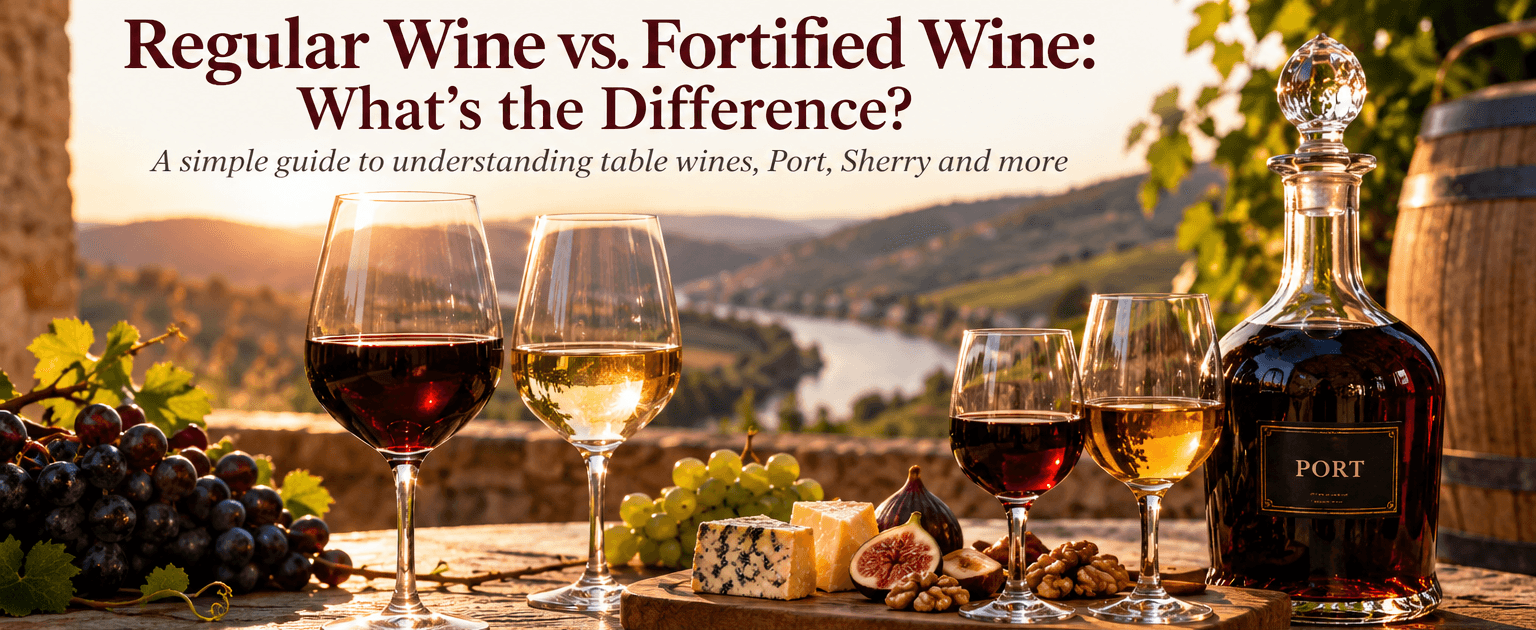
Regular Wine vs. Fortified Wine: Port, Sherry and More

Regular wine vs fortified wine: discover how Port, Sherry and Madeira differ in strength, sweetness, production and food pairings.

Bernard  Martinez

Bernard Martinez

Oct 30, 2026
Regular Wine vs. Fortified Wine: Port, Sherry and More

What separates your favorite dinner wine from a glass of Port?


The answer is an extra step in winemaking: adding grape spirits.


Learn why fortified wines often have more alcohol, how sweetness varies, and what makes Port, Sherry, and Madeira distinct.


Plus, discover easy pairings for your next tasting at home or in California wine country.

Is Napa Valley Becoming Too Expensive for Wine Lovers?

Napa Valley tasting fees and luxury experiences raise questions about affordability. Explore alternatives in Suisun Valley, Lodi and Sonoma County.

Bernard  Martinez

Bernard Martinez

Oct 20, 2026
Is Napa Valley Becoming Too Expensive for Wine Lovers?

Napa Valley remains a world-famous wine destination, but rising tasting costs and a growing emphasis on luxury may discourage visitors seeking a simple afternoon of wine tasting.


The article considers the importance of accessible experiences and points readers toward Suisun Valley, Lodi, and Sonoma County as alternatives.

California Vineyards Disappearing: 47,229 Acres Removed

California vineyard removals reached 47,229 acres in one year. What the changing wine market means for growers and Suisun Valley.

Bernard  Martinez

Bernard Martinez

Oct 17, 2026
California Vineyards Disappearing: 47,229 Acres Removed

California winegrape growers removed 47,229 acres of vineyards between August 2025 and August 2026, according to a statewide mapping study.


Falling wine demand, excess inventory, and rising farming costs are forcing difficult choices for growers and families.


For wine lovers, this does not mean an immediate wine shortage, but it could change California's vineyard landscape and the communities connected to it.


The statewide data does not establish a specific removal total for Suisun Valley.

Beyond Napa: Discover California Wine Country's Hidden Gems

A closer look at Suisun Valley, Lodi and Amador County for curious California wine travelers

Bernard  Martinez

Bernard Martinez

Oct 15, 2026
Beyond Napa: Discover California Wine Country's Hidden Gems

California wine country is much bigger than the famous tasting rooms of Napa Valley, and some of its most rewarding discoveries begin by taking a different road.


For travelers who enjoy a relaxed pace, Suisun Valley, Lodi and Amador County each offer a distinct way to explore the state's wine culture.


For Wine Cork Weekly readers, Suisun Valley is an especially convenient place to begin that exploration close to home.

California Wine Made Simple: Find a Bottle You'll Enjoy

A friendly guide to Cabernet Sauvignon, Chardonnay, Pinot Noir and Zinfandel, with practical food-pairing ideas

Bernard  Martinez

Bernard Martinez

Oct 15, 2026
California Wine Made Simple: Find a Bottle You'll Enjoy

Standing in front of a wall of wine bottles can feel intimidating, especially when every label seems to promise something special.


The good news is that choosing California wine does not require memorizing tasting terms or spending a fortune.


The best California wine is the one that suits your taste, meal and occasion.

Newsletter

Never miss a story.

Get the best of The Wine Cork Weekly in your inbox — free, no spam.

The Wine Cork Weekly

© 2026 The Wine Cork Weekly.

The Wine Cork Weekly brings you a clear look at the wineries, places, and happenings across Suisun Valley and Fairfield/Suisun wine region. Subscribe for a local read that helps you keep up with the region each week.

© 2026 The Wine Cork Weekly.