When Is Wine Too Old to Drink? The Truth About Aging Wine |
How to recognize fading flavors, store bottles properly, and know when to open a favorite vintage |
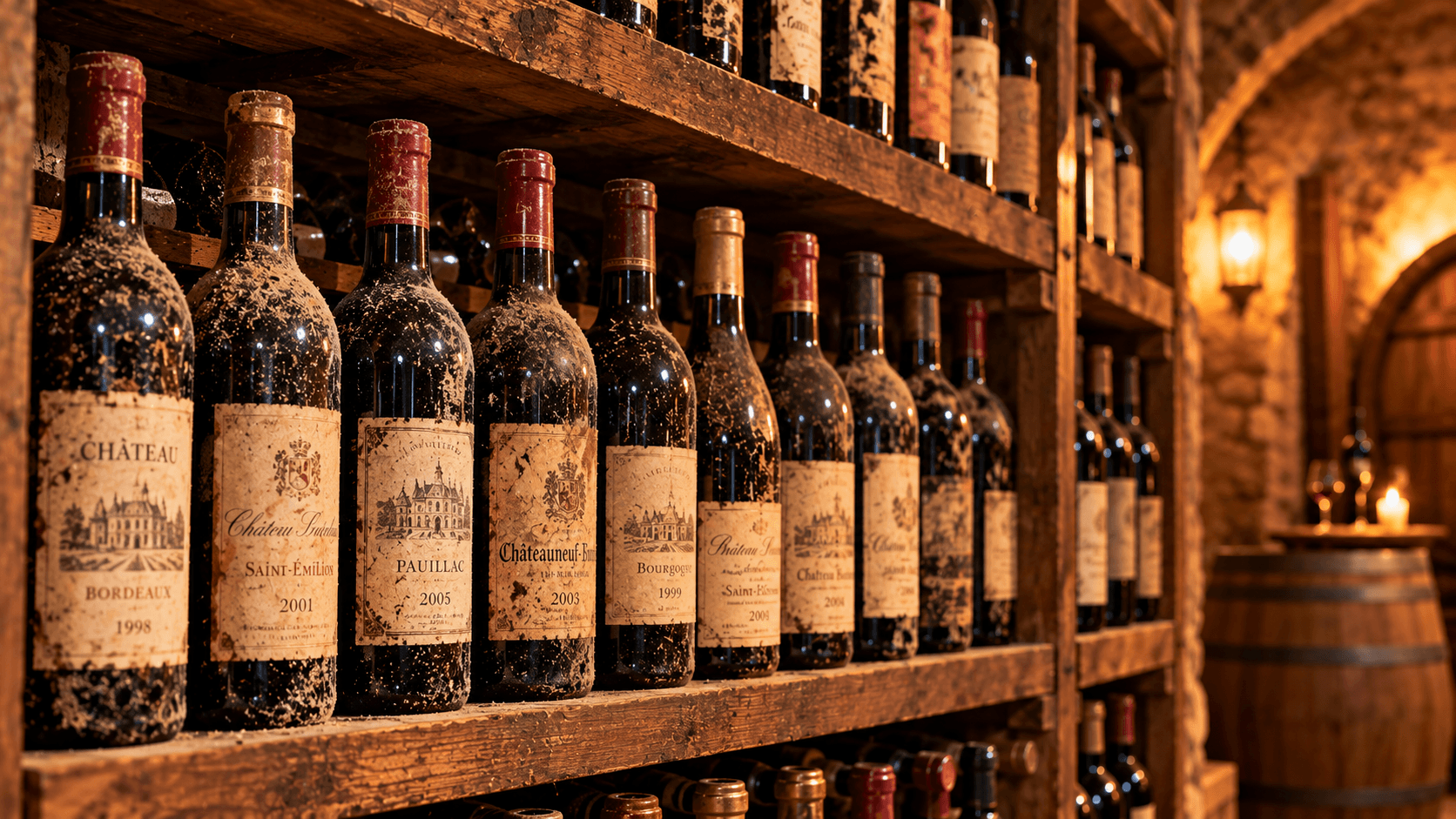
That forgotten bottle in the back of your cabinet might be a treasure, or it might be well past its best.
Wine can improve with age, but the idea that every bottle becomes better over time is a myth.
Most wines are made to taste enjoyable relatively soon after purchase, while a smaller group is built to mature for years.
So when is wine too old to drink? The answer depends on the wine, its storage history, and what you discover when you open it.
Why some wines age beautifully
Certain Cabernet Sauvignons, Bordeaux blends, and Rieslings have enough acidity, tannin, sugar, or other structural qualities to evolve gracefully.
Over time, youthful fruit flavors can give way to dried fruit, earthy, nutty, or savory notes.
That change is not automatically an improvement: it depends on the wine and your personal taste.
Aging potential also varies widely among bottles of the same grape variety.
A high price or an old vintage does not guarantee a delicious glass.
|
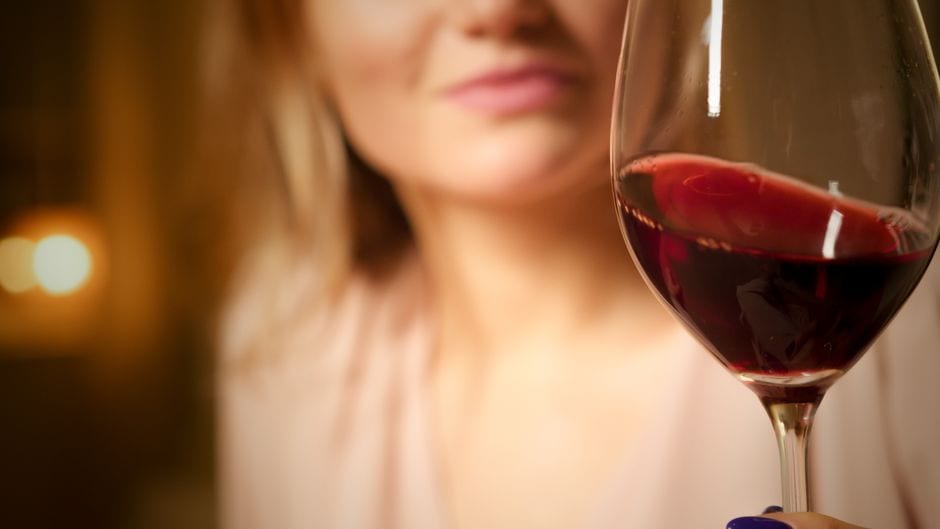 Photo by Artem Podrez on Pexels |
Signs a bottle may be past its prime
Begin with the appearance, but remember that older wines naturally change color.
Whites can deepen toward gold, and reds may develop brick-colored edges without being spoiled.
More troubling clues include unexpected browning, a leaking cork, or evidence that the bottle was exposed to heat.
Next, smell the wine after pouring a small amount.
Strong vinegar-like aromas, stale bruised-apple notes, or a generally lifeless smell may signal deterioration.
Some intentionally aged wines have earthy or nutty aromas, so consider the overall balance rather than judging one scent alone.
If the wine tastes flat, harsh, or unpleasant, there is no reason to force yourself to finish it.
An old wine that has faded is usually a quality disappointment, not automatically a food-safety emergency, but avoid drinking anything that appears contaminated or otherwise unsafe.
|
 Photo by Michel Meuleman on Pexels |
Storage matters more than the calendar
Heat and repeated temperature swings can speed up unwanted changes.
For bottles worth saving, a cool, dark place with a steady temperature is far better than a sunny kitchen or hot garage.
Many collectors aim for cellar temperatures around 55 degrees Fahrenheit, although consistency matters greatly.
Traditionally cork-sealed bottles are often stored on their sides for longer-term keeping.
Light exposure and damaged seals can also shorten a wine's enjoyable life.
What if the bottle is already open?
Once you pull the cork, oxygen starts changing the wine much faster.
Many still wines taste best within roughly three to five days when promptly recorked and refrigerated, although results vary.
Sparkling wine generally loses its fizz sooner unless sealed with a suitable sparkling-wine stopper.
Fortified wines may last longer because of their higher alcohol content and production style.
Refrigeration slows deterioration for reds as well as whites; simply allow a chilled red to warm slightly before serving.
A tip for Solano County wine lovers
Whether your bottle came from Suisun Valley or another California wine region, ask the winery whether it is meant for early drinking or cellaring.
If you are saving a special bottle, write down the purchase date and keep it away from heat.
Above all, do not wait forever for an imaginary perfect occasion.
The best bottle is the one you open while it can still be enjoyed. |
0 Comments
Join the conversation
Be the first to comment
Share your thoughts above.