
Tannins: The Natural Compounds That Shape Great Wine |
Where they come from, why they matter, and how they enrich every glass |
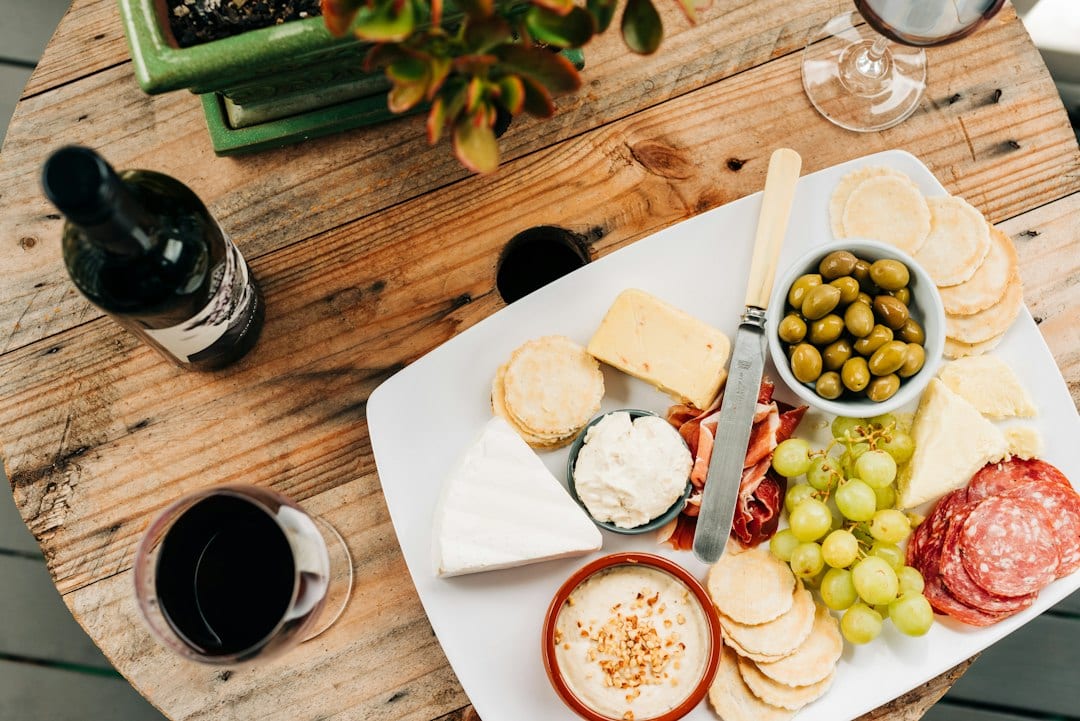
Have you ever taken a sip of red wine and noticed a dry, puckering sensation along your gums and tongue? That's tannins at work. These natural compounds help give wine its structure, texture, and sometimes its ability to age gracefully. Understanding them can make choosing a bottle—and pairing it with dinner—much easier.
Where do tannins come from?
Tannins are a family of polyphenols found in grape skins, seeds, and stems. During red-wine fermentation, the juice stays in contact with grape skins, allowing tannins and color to enter the wine. Oak barrels may contribute additional tannins during aging, while also influencing the wine's flavor and texture. White wines are usually pressed away from their skins sooner, so they often contain less tannin, though skin-contact whites are an exception.
Why does your mouth feel dry?
Tannins don't literally remove moisture from your mouth. Instead, they interact with proteins in saliva, reducing that slippery feeling and producing a sensation called astringency. You may recognize something similar after drinking strong black tea. Astringency is different from bitterness: one is mainly a drying texture, while the other is a taste.
Which wines have more tannins?
Cabernet Sauvignon, Nebbiolo, Petite Sirah, and Tannat are known for firm tannic structure. Pinot Noir and Gamay often feel softer and lighter. But the grape variety isn't the whole story. Ripeness, skin-contact time, extraction techniques, and barrel choices can all influence how tannins feel. Two Cabernet Sauvignons can taste surprisingly different.
How do tannins change with age?
In a young red wine, tannins may feel grippy or rough. As a wine matures, chemical changes can help its texture seem rounder and more integrated. Tannins are one factor in a wine's aging potential, but acidity, fruit concentration, storage conditions, and balance also matter. Not every bottle is meant to spend years in a cellar.
What should you eat with tannic wine?
Food is where tannins can become especially enjoyable. A bold Cabernet Sauvignon can complement grilled steak, while Petite Sirah often works with braised beef or smoky barbecue. Aged cheeses are another classic partner. Certain protein-rich and fatty foods can make tannic wines seem less astringent, although the effect depends on the pairing.
Try a simple experiment at home: taste a sip of a structured red on its own, then take another sip after a bite of cheese. Notice whether the wine feels less drying. Personal preference still matters—there's no rule saying you must pair a big red with meat.
A useful tasting-room tip
At your next tasting, ask the host to pour two contrasting reds, perhaps a lighter Pinot Noir and a firmer Cabernet Sauvignon. Taste them side by side and notice which leaves a stronger drying sensation. Descriptions such as silky, firm, and grippy can help you recognize the texture you enjoy.
A final pour
Tannins aren't a flaw to avoid. They're part of what makes wine interesting, from a velvety everyday red to a bold bottle saved for a special dinner. The next time you taste red wine, pay attention to its texture as well as its flavor.
What about you? Do you prefer bold, tannic reds or softer, smoother wines? Share your favorites with The Wine Cork Weekly. |
 |
0 Comments
Join the conversation
Be the first to comment
Share your thoughts above.