
Regular Wine vs. Fortified Wine: What's the Difference? |
A simple guide to table wine, Port, Sherry, and Madeira |
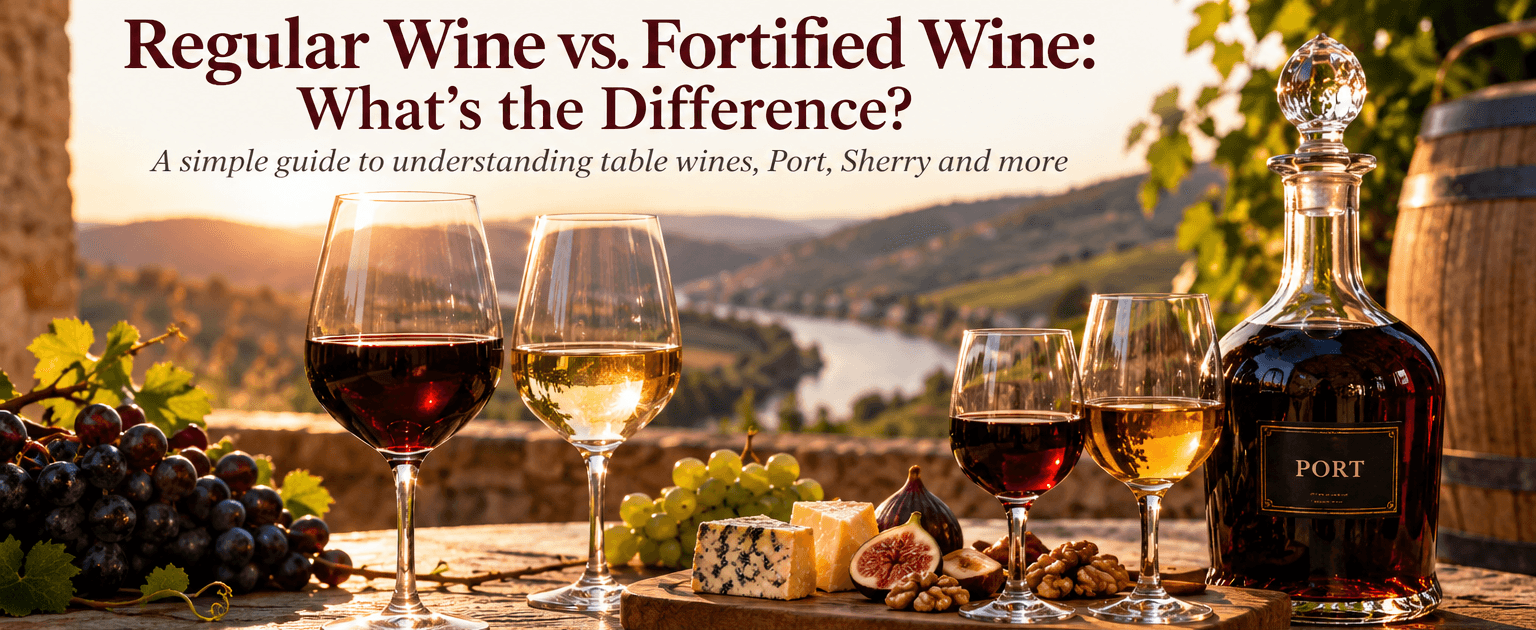
Have you ever wondered what makes a glass of Port different from your favorite Cabernet Sauvignon or Chardonnay?
Both begin with grapes, but the way they are made creates two different wine experiences.
The biggest difference is the addition of distilled grape spirits to fortified wine.
Regular wine, often called table wine or unfortified wine, is made by fermenting grape juice.
Yeast converts natural grape sugars into alcohol, and the winemaker decides when fermentation is complete.
Many familiar wines, including Cabernet Sauvignon, Merlot, Pinot Noir, Chardonnay, Sauvignon Blanc, and Riesling, are unfortified.
Most table wines contain roughly 11 to 15 percent alcohol by volume, although some fall outside that range.
They can be dry or sweet, light or full-bodied, sparkling or still.
They are also the wines most people reach for with dinner, from grilled vegetables and seafood to pasta and steak.
|
 Photo by Engin Akyurt on Pexels |
Fortified wine starts much the same way, with fermented or fermenting grape juice.
But a winemaker adds a distilled spirit, usually made from grapes, which raises the alcohol level.
Fortified wines commonly reach about 15 to 22 percent alcohol by volume, depending on the style.
When the spirit is added matters just as much as how much is added.
If added while fermentation is still underway, it can stop the yeast before all the grape sugar is consumed, leaving natural sweetness.
If added after fermentation, the result may be quite dry.
Port is one of the best-known fortified wines.
Traditional Port comes from Portugal's Douro Valley and is usually rich, concentrated, and sweet, with alcohol often around 19 to 22 percent.
Ruby Port tends to showcase lively berry and dark-fruit flavors.
Tawny Port, aged with greater exposure to oxygen in wood, can develop nutty, caramel, and dried-fruit notes.
Both can be enjoyable after dinner, but they offer noticeably different experiences in the glass.
Another famous example is Sherry, associated with the Jerez region of southern Spain.
Sherry ranges from bone-dry styles, such as Fino, to sweet dessert styles, so it is a mistake to assume every fortified wine tastes sugary.
Dry Sherry can pair beautifully with olives, almonds, and savory small plates.
Madeira, from the Portuguese island of the same name, is also fortified.
Its distinctive production involves controlled heat and oxidation, helping create flavors that can suggest toasted nuts, citrus peel, and caramel.
Madeira can be dry enough for an appetizer or sweet enough to accompany dessert.
|
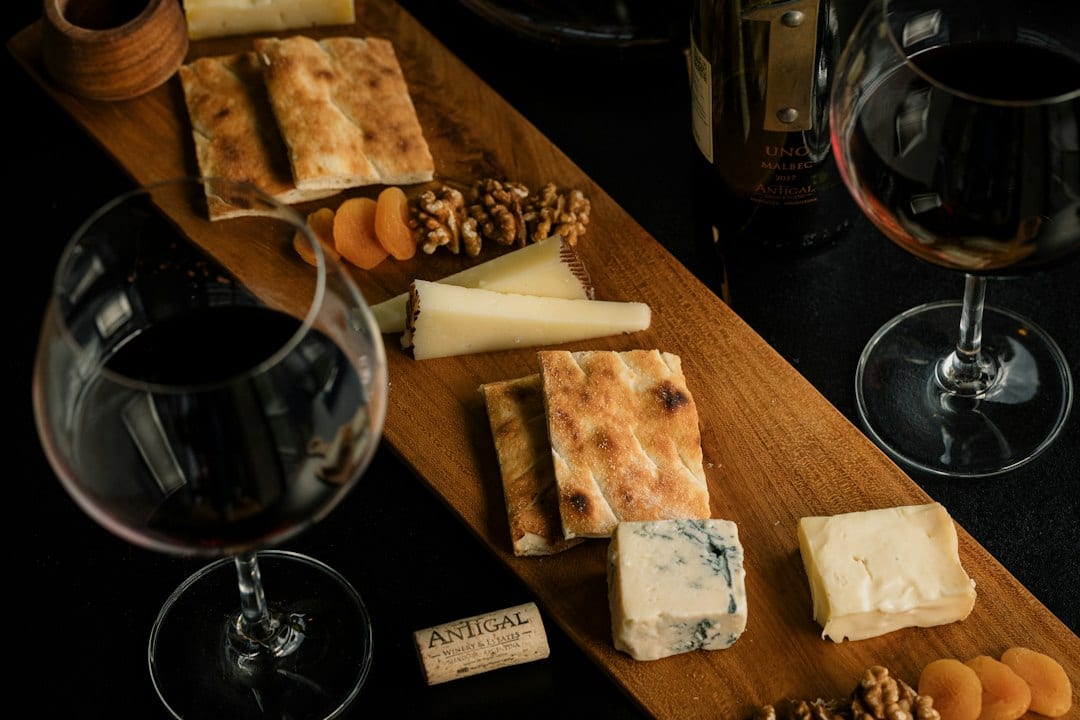 Photo by Alessio Roversi on Unsplash |
So which kind of wine should you choose?
For a casual meal, an unfortified red, white, or rosé is often the natural choice.
For a small after-dinner pour, a cheese plate, or a rich chocolate dessert, fortified wine may be worth exploring.
Because fortified wine is generally stronger, a smaller serving can be satisfying.
Here in the Suisun Valley and Fairfield area, where discovering new wines is part of the fun, understanding these differences can make tasting conversations more interesting.
You do not have to become a wine expert to appreciate them.
Start by comparing a familiar table wine with a small pour of Port, then notice the body, sweetness, aroma, and finish.
The next time someone offers you a glass of fortified wine, you will know that it is not simply regular wine made stronger.
It is a different winemaking tradition with its own flavors, history, and place at the table. |
0 Comments
Join the conversation
Be the first to comment
Share your thoughts above.