
California's Vineyards Are Disappearing: More Than 47,000 Acres Removed in One Year |
A changing wine market is forcing California grape growers to make difficult decisions, raising questions about the future of the state's vineyards, family farms, and wine communities. |
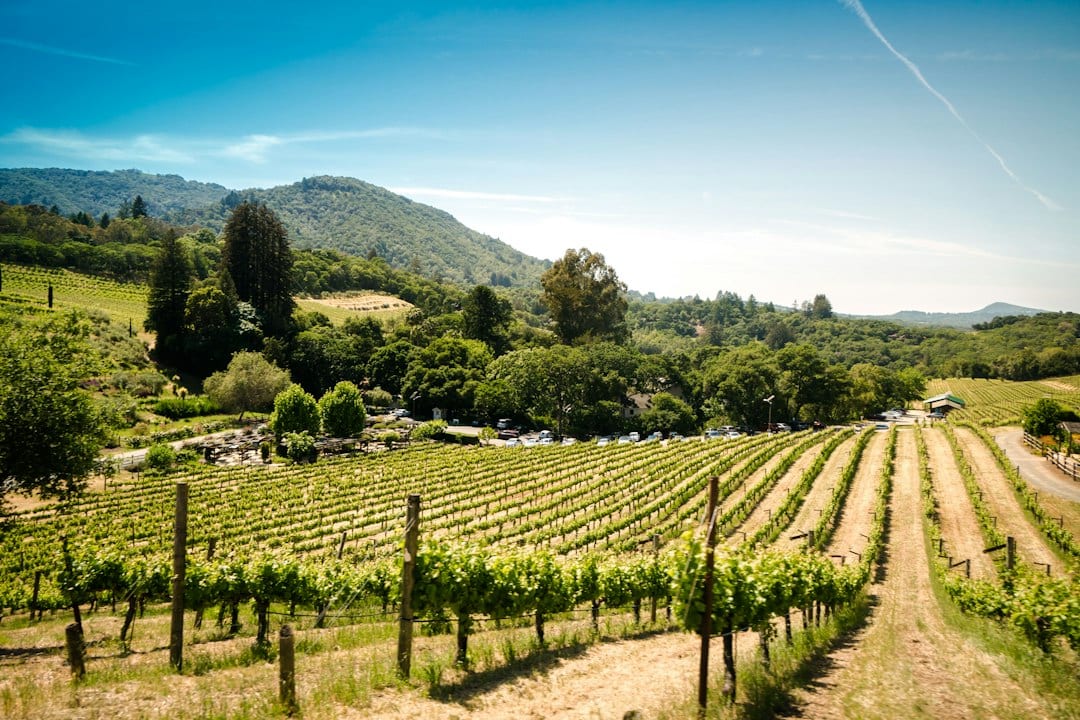
A Dramatic Change in California Wine Country
For generations, California's vineyards have represented more than grapes and wine. They are part of the state's agricultural heritage, its rural landscapes, and the livelihoods of thousands of families.
But across California wine country, some of those familiar rows of grapevines are disappearing.
A newly released statewide mapping study reports that 47,229 acres of winegrape vineyards were removed between August 1, 2025, and August 1, 2026.
The study also identified 439,115 acres of standing winegrape vineyards as of August 1, 2026.
The numbers reveal the scale of a major adjustment underway in one of California's most recognizable industries.
Why Are Growers Removing Their Vines?
The central problem is an imbalance between the amount of wine California can produce and the amount consumers are buying.
Wine consumption has weakened in recent years, leaving many wineries with excess inventory and reducing their need to purchase grapes.
That creates a difficult situation for farmers.
A vineyard requires year-round care, including pruning, irrigation, pest management, equipment, and labor. Those expenses continue whether the grower receives a profitable grape contract or not.
When grape prices fall too far, or a buyer cannot be found, maintaining the vineyard may no longer make financial sense.
Some growers have left fruit unharvested. Others have made the more permanent decision to remove their vines.
Recent reporting describes significant financial losses for California grape growers as the market contracts.
For farming families who have cultivated grapes for decades, removing a vineyard can mean walking away from years of investment and tradition.
The Numbers Behind the Changes
The latest vineyard mapping results offer a clearer picture of how quickly California's wine landscape is changing.
Vineyards removed, October 2024–August 2025: 38,134 acres.
Vineyards removed, August 2025–August 2026: 47,229 acres.
Standing vineyards as of August 2025: 477,475 acres.
Standing vineyards as of August 2026: 439,115 acres.
Importantly, vineyard removals should not be confused with the net change in standing acreage. Mapping refinements, newly identified vineyard blocks, and boundary corrections can also affect year-to-year totals.
Even with that distinction, the direction is unmistakable: California is undergoing substantial vineyard contraction.
What Does This Mean for Wine Lovers?
For consumers, fewer vineyards do not automatically mean an immediate shortage of California wine.
In fact, one reason growers are removing vines is that the industry has more grape-growing capacity than current demand can support.
Reducing production may eventually help bring supply and demand into better balance.
But the changes could reshape the wine industry in other ways.
Some smaller growers may struggle to remain in business. Certain grape varieties or vineyard sites may become less common. Wineries could reconsider where they purchase grapes and which wines they produce.
For wine enthusiasts, the story is about more than the number of bottles available at a store. It is also about the people, places, and agricultural traditions behind those bottles.
What About Suisun Valley and Northern California?
For readers of The Wine Cork Weekly, the statewide changes raise an especially important question: What could they mean for nearby wine-growing communities such as Suisun Valley?
Suisun Valley has its own identity within California wine country, with family-owned wineries, agricultural businesses, and a long history of grape growing.
The Suisun Valley Vintners & Growers Association was among the industry organizations supporting California's vineyard mapping initiative.
However, the statewide removal figures do not establish how many acres have been removed specifically in Suisun Valley. That local question requires separate, verified regional data.
It is nevertheless worth watching how changes in grape demand, vineyard economics, and consumer preferences affect smaller wine regions.
For local residents and visitors, supporting wineries and discovering regional wines can help keep attention on the businesses and communities that make these areas distinctive.
Is There Hope for California Wine?
Yes, although the path forward remains uncertain.
Some industry observers believe reducing excess vineyard acreage could help stabilize grape prices and improve conditions for the growers who remain.
Others caution that removing vines alone will not solve the industry's problems. Wine producers must also respond to changing consumer preferences, competition from other beverages, and the challenge of reaching new customers.
California still has an extraordinary range of growing regions, grape varieties, winemaking expertise, and wine tourism experiences.
Those strengths provide a foundation for adaptation.
The challenge is ensuring that growers and wineries can remain financially viable while the market changes.
The Bottom Line
California's wine industry is not disappearing, but its vineyard landscape is changing in a profound way.
The removal of more than 47,000 acres in a single year illustrates the financial pressure facing grape growers and the difficult decisions taking place behind the scenes.
For consumers, it is a reminder that every bottle of wine begins with a farmer, a vineyard, and an investment in the land.
And for wine regions such as Suisun Valley, the future may depend not only on producing excellent wines, but also on building lasting relationships with the people who enjoy them.
At The Wine Cork Weekly, we'll continue following these developments and what they mean for California's wineries, growers, and wine lovers.
Sources and Further Reading
2026 Vineyard Mapping Project Results: https://www.winebusiness.com/news/article/324324
Napa Valley Grape Growers industry blog: https://www.napagrowers.org/industry-blog
2025 Vineyard Mapping Project: https://www.winebusiness.com/news/article/310190
Associated Press reporting: https://apnews.com/article/637daa9bf39d67dd0e74da6608e89696
California Department of Food and Agriculture grape crush report: https://plantingseedsblog-test.cdfa.ca.gov/index.php/2026/03/13/preliminary-grape-crush-report-declines-in-crush-numbers-prices-tell-the-story-of-the-2025-crop/
Editorial Note: This article was created with the assistance of artificial intelligence (AI). |
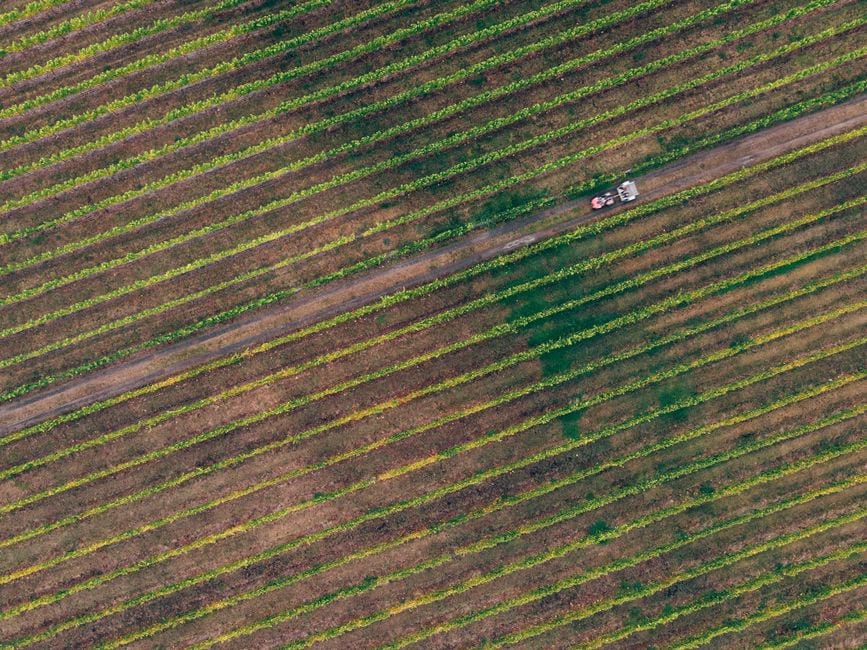 Illustrative photograph of a tractor between vineyard rows. Photo by Ben Young on Pexels |
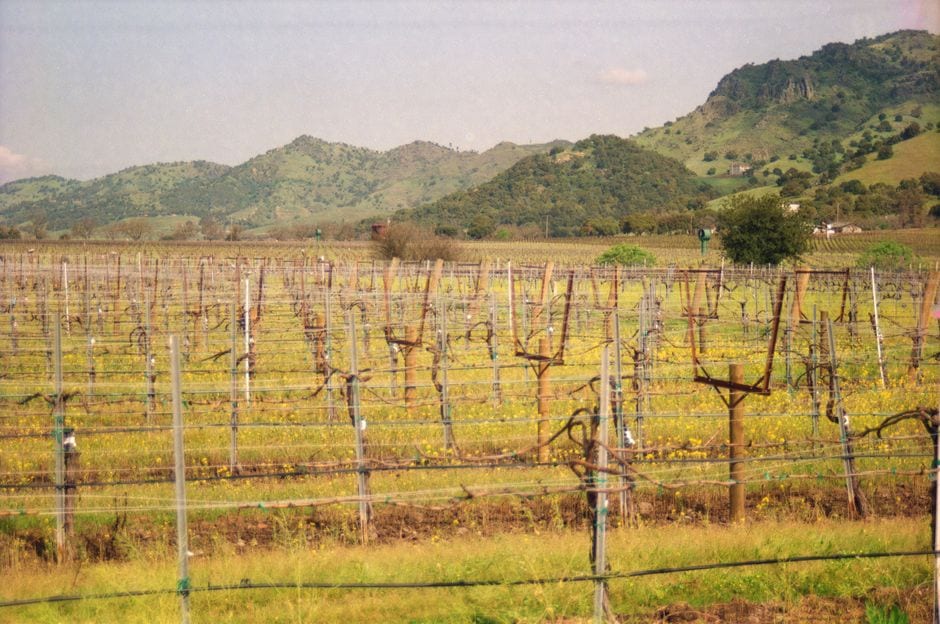 Northern California vineyard landscape (illustrative). Photo by Tom Fisk on Pexels |
0 Comments
Join the conversation
Be the first to comment
Share your thoughts above.